Friday, December 2, 2016

12 Exotic Healing Foods

12 Exotic Healing Foods


Soothe skin, fight stress, and more with these potent plants and herbs you can find in your local health food store

Elderberry


Feeling under the weather? "Elderberry is my favorite 'flu season plant,'" says Michael Balick, Ph.D., an ethnobotanist and vice president and director of the Institute of Economic Botany at the New York Botanical Garden. "The herb contains anti-viral compounds, which research has shown can help the body fight off illness." Take elderberry extracts during flu season as a preventative measure or right when you feel the flu coming on to relieve symptoms

Chamomile


"A soothing and calming herb, chamomile tea is a wonderful way to unwind at night," says Balick, who curates Wild Medicine, an exhibit about medicinal plants. "It helps you relax and can relieve tension in an upset stomach after a stressful day." The European plant also has beauty benefits: Remove chamomile tea bags after they've steeped in hot water, let them cool, and then lay them on red, puffy eyes to reduce inflammation.

Kava


Highly regarded by native cultures in the Pacific Islands, kava root contains kavalactones, compounds that may help reduce anxiety. "Kava is said to promote easy conversation and story telling, and to help resolve conflict, all of which helps hold Pacific Island communities together," Balick says. "The initial effects are similar to alcohol but without the negative side effects—people on kava are mellow and calm, not aggressive." In fact, one German study showed that kava reduced symptoms of anxiety as effectively as a pharmaceutical drug during the course of six weeks.

While islanders pound the root to make a water extract, you can find it in capsules, extracts, or tinctures.

Photo courtesy of the New York Botanical Garden

Calendula


The calendula flower, a European plant also known as pot marigold, is used in topical treatments to calm skin irritations such as eczema. "Many cosmetic creams that promise to smooth, soothe, or soften skin contain calendula. It's also sold as an oil, which will be diluted by a 'carrier' oil such as olive, jojoba, or coconut oil," Balick says. You can even take the flowers, heat them in water, put them in a light cloth, and apply this to the skin for conditions ranging from insect bites to minor burns and cuts

Milk Thistle


For many years, milk thistle was used in European hospitals to save the lives of victims of poisoning who had eaten the harmful variety of mushrooms. Today this member of the daisy family is primarily prescribed by herbalists for those with compromised livers due to alcohol or drug use. "A compound in the seeds, which you can find in capsule or extract form, strengthens and clears the liver," says Balick, who recommends taking it to protect your liver if you're using strong medications or to alleviate symptoms of a hangover.

Passion Flower


This stunning flower from Central and South America, the source of delicious passion fruit, contains beta-carboline alkaloids—the same compounds found in psychoactive plants from the tropical rain forests of the Amazon such as Banisteriopsis caapi or yage. "Passion flower has just a small amount of these compounds, but that's enough to give it sedative powers so you can relax and fall asleep easily, and it may give you colorful, rich dreams if you drink it at night," Balick says. It can also help relieve anxiety and stress. Look for passion flower in the ingredients list on teas that promote sleepiness or relaxation.

Cocoa


According to Balick, cocoa is one of the best healing herbs. Loaded with antioxidants, it can contribute to cardiovascular health and improve mood by building up a molecule in the brain that promotes happiness, rather than allowing it to be degraded by other natural process of the brain. Balick recommends a small bar of dark chocolate that’s at least 85 percent cacao a day for a therapeutic dose—as good an excuse as any to eat dessert!

Ginkgo


For almost three millennia, an extract from leaves of ginkgo trees has been used in traditional Chinese medicine to stimulate blood flow, improve memory, and boost libido. "While scientific evidence is unconfirmed and indeed controversial, some studies have shown that the herb can improve cognition and may be helpful in treating conditions such as dementia," Balick adds. Clinical trials have also examined ginkgo's ability to treat tinnitus (ringing in the ears), asthma, and leg pain, although results have been mixed.

Ashwagandha


Another sleep-inducing herb, ashwagandha, or Indian ginseng, is found throughout Africa, Asia, and southeastern Europe. "It's known as an 'adaptogen,' meaning it allows the body to fight stress, be more resilient, and adapt more easily to draining events we face throughout the day," Balick says. You can take the root in extract or capsule form when you find yourself in a stressful situation, he adds.

Tonics made from ashwagandha root are also used to combat pain and fatigue in the ancient Indian Ayurvedic healing tradition, while other potential uses for fighting inflammation and infection are still being tested in clinical trials.

Photo courtesy of the New York Botanical Garden

Papaya


This gorgeous orange fruit from Central America not only tastes delicious, it's also a powerful aid in digestion and healing. Papain, the main enzyme found in papaya, boosts the level of digestive enzymes in the gut to help break down foods more quickly and easily. "You can purchase it as a capsule or simply eat the fresh fruit more often," Balick says. In addition, papaya can be used to heal cuts, burns, or sores by simply rubbing it on the affected area.

Maca


The root of the maca plant has been used for centuries by indigenous Andean cultures in Peru and hit store shelves in the States about 10 years ago. Some research has affirmed traditional beliefs about the powers of maca, such as its ability to help boost energy, increase sexual stamina, and improve fertility. The powder can be blended into smoothies or simply stirred into water, and it's also available in capsules or tinctures.

Camu Camu


Also hailing from the Andes, the camu camu berry is one of the highest sources of vitamin C in the plant kingdom, Balick says. It’s a bit of a cure-all as a folk remedy—it’s said to be anti-depressant, anti-inflammatory, and anti-viral, among other benefits—but no long-term studies have confirmed those uses. However research has shown that camu camu has great antioxidant powers. Mix the powder into smoothies or water.

source by  http://www.shape.com/

4 Interesting Body Hacks You Probably Didn’t Know About

4 Interesting Body Hacks You Probably Didn’t Know About


The body is a strange thing. All the odors, fluids, and other interesting things can be…intrusive to your social life, let’s say. You may also have to work hard to keep these things under control. Well, lucky for you, we’ve got some pretty cool body hacks that will make your life a whole lot easier.

 1: Ms./Mr. Potato Head

Yes, you are going to be Ms./Mr. Potato Head for this body hack. When your eyes are tired, sore, or swollen, a regular Russet potato is your friend. The juices from a raw potato can do wonders. Cut a couple thin slices of potato, refrigerate them for a few minutes, and then place them over your eyes for 10 minutes.

 2: Smelly Feet Fix

There’s nothing worse than a pair of smelly feet. Here’s a scenario: Your significant other says, “Rub my feet.” Your mind tells you no, and your body, well, your body is also telling you no. Place your feet in a tea soak. Brew a cup of black tea, add an additional few cups of water, and soak your feet in there for 30 minutes to get rid of that stinky odor.

 3: Bad Breath Be Gone

Nobody likes to get a whiff of bad breath. It’s unattractive and unpleasant. The best way to get rid of stinky breath is: Chew on celery. Chomp, chomp, and keep on chomping. Any crunchy foods like carrots or apples are great. They help wash away those impurities that live in your mouth.

 4: Zap those Zits

Nobody likes waking up with red blemishes on their face. Take some eye drops, dip a q-tip in there, and gently pat your blemishes. This will decrease redness and any swelling. If you don’t want to use eye drops, a bentonite clay mask is a great option.

source by   https://www.dherbs.com/

Top 5 Herbs for Fighting Fatigue

Top 5 Herbs for Fighting Fatigue


It seems like every person I talk to suffers from some form of fatigue. First let me say that if you suffer from fatigue, it is a tell tale sign your body is toxic, your adrenal glands are burned out and you really need a good colon cleanse, liver and gallbladder cleanse, parasite cleanse or chemical and heavy metal cleanse. After cleansing your body you should consider dietary changes. If you drink coffee or take other stimulants, they should be reduced. The good news is there are some beneficial herbs that can help you fight fatigue until you take the necessary steps to improve your health.

1. Siberian Ginseng

Also known as eleuthero, Siberian Ginseng increases the body’s ability to handle stress, reduces fatigue and naturally supports healthy adrenal function and hormone levels. In a study, Siberian ginseng was shown to support stamina and fitness as well as reduce general fatigue. It is used in Russia as an "adaptogen." An adaptogen is a substance that helps the body better cope with stress, either mental or physical and increase longevity and vitality.

2. Licorice Root

This fatigue-fighting herb helps rebuild damaged adrenals and reduces cravings for sweets and caffeine which cause a energy crash after an initial rush. The glycyrrhizin contained in licorice root enhances the body’s cortisol activity increasing energy and reducing fatigue.

3. Gotu Kola

Gotu Kola is one of the most well-respected adaptogenic energy herbs in Ayurvedic (Indian) medicine. Studies have proven the effect of Gota Kola on promoting healthy energy levels and stamina as well as reducing fatigue. Gotu kola is also known as the most spiritual of all herbs. Native to the Himalayas, it is used by monks to improve their meditation by balancing the right and left hemispheres of the brain. Sri Lankans observed elephants eating this herb giving Gotu Kola a reputation as a promoter of long life.

4. Ginkgo Biloba

Tracing back nearly 300 million years, Ginko biloba is the oldest surviving tree species on earth! Ginkgo is considered a prescription herb in Germany and is used to reduce fatigue and enhance oxygen utilization. In cases of fatigue, the adrenals suffer from a significant amount of oxidative stress, leading to an increase in free radicals. Ginko biloba has been studied to protect the adrenal glands, the brain and the liver from damaging free radicals.

5. Sea Kelp

Low thyroid function is a common cause of fatigue. The iodine found in kelp can help normalize an underactive thyroid gland and increase or regulate your energy levels. The thyroid is essential in regulating your metabolism as well as preventing the accumulation of body fat.

source by  http://naturallysavvy.com/

Tuesday, November 29, 2016

Lemon Citrus Milk

Lemon Citrus Milk


Perhaps this is my all-time personal favorite health detox drink! My morning daily ritual on an empty stomach, I make this every other day double portion enough for two days for one person.

My Citrus Milk taste as good as it looks, and you may modify it to your personal liking by adding more or less of the following ingredients…

                                                          Lemon Citrus Milk

Here’s what you’ll need…

Blender, glass container / glass bottles, funnel, sifter, spoon

                                                Ingredients for Lemon Citrus Milk

Ingredients ~

One Lemon “Organic” medium to large
Fresh Ginger – 2 to 4 inches thinly sliced
Olive oil – 1 Tbsp first press, cold press, extra-virgin, organic. Use Greek olive oil or Braggs
Raw local honey – 1 Tbsp …more if you like it a bit sweeter
(Optional) a small fresh slice of turmeric
4 to 5 cups of purified water

Instructions ~ 

Wash lemon and cut in four quarters
Peel ginger & cut in thin slices (in photo I sometimes use my fermented ginger)
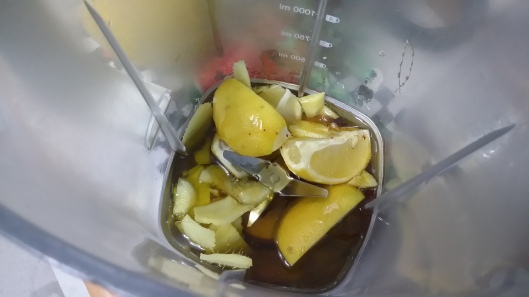
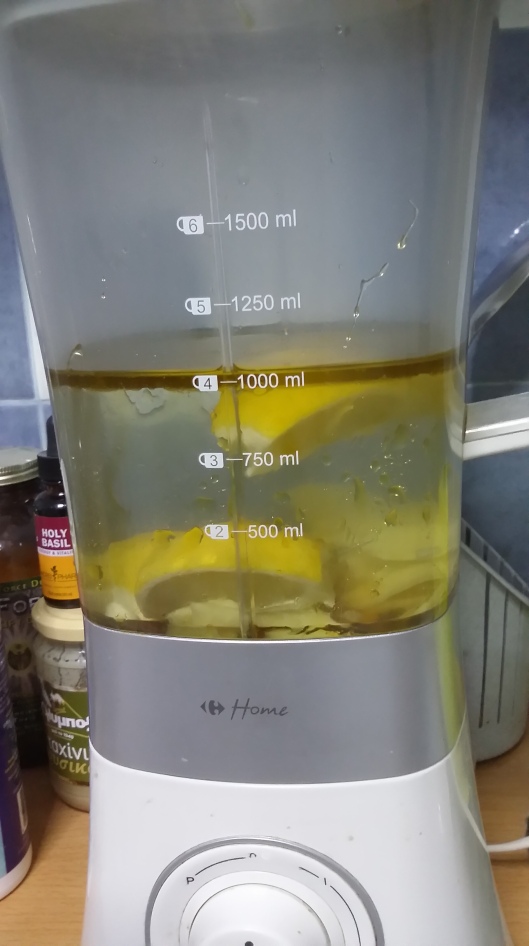
In blender add water and 1 Tablespoon of olive oil and 1 Tablespoon of raw honey  (add more or less to your liking)
Also add lemon and ginger into blender (optional turmeric – small slice)
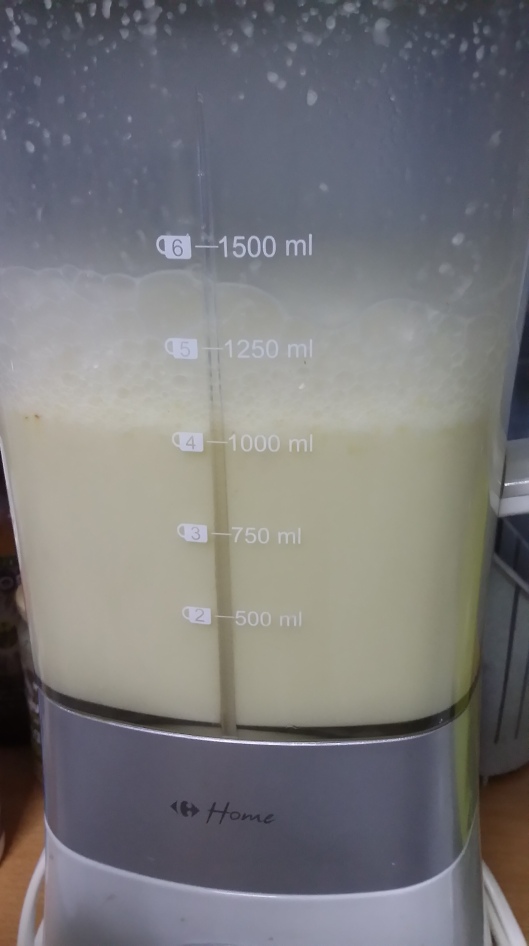
Blend all ingredients on low setting at first then “full high” setting for a few minutes until all contents are liquefied and pulp is extra fine.
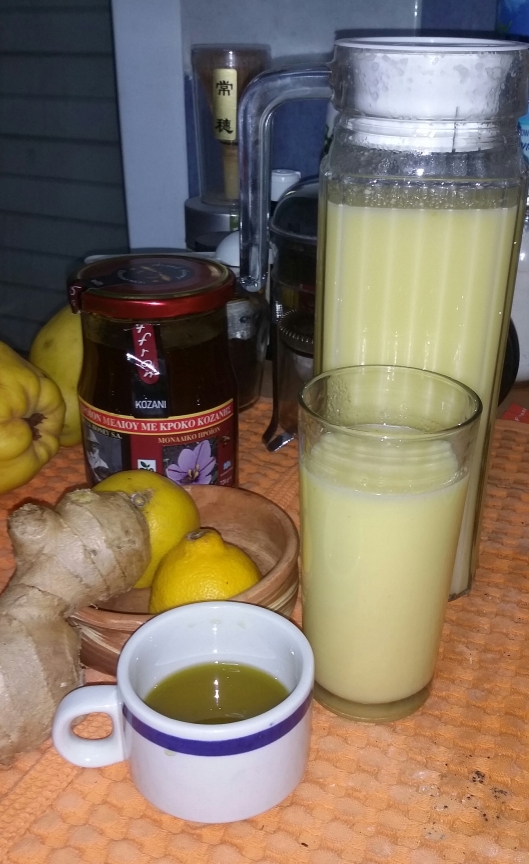
Pour contents into a glass container or several glass jars using a funnel and fine sifter separating the pulp and only pouring liquid in container.
Use a spoon to move pulp around the sifter so liquid can get through. Once pulp fills the sifter place pulp aside into a small bowl and repeat until all liquid citrus milk is poured into glass container.
Drink your Citrus Milk on an empty stomach upon rising each morning. I love it so much and it taste so good I sometimes drink this throughout the day!
Refrigerate unused portion and drink within two days time.
(Optional) I sometimes use my pulp and mix it with organic cinnamon and raw honey and eat this as porridge! (see photos below).

Health Benefits ~ 

Lemon: Alkalizing – Lemons are acidic to begin with but they are alkaline-forming on body fluids helping to restore balance to the body’s pH. Rich in vitamin C & helps neutralize free radicals, cleaning for the liver and bowels, helps to dissolve gallstones, calcium deposits, and kidney stones, treats scravy, The lemon peel contains the potent phytonutrient tangeretin, which has been proven to be effective for brain disorders like Parkinson’s disease. Lemons have powerful antibacterial properties, strengthens blood vessels & eyes, Lemons contain 22 anti-cancer compounds, including naturally occurring limonene; oil which slows or halts the growth of cancer tumors in animals and flavonol glycosides which stop cell division in cancer cells. Lemon is the ONLY food in the world that is anionic (an ion with a negative charge). All other foods are cationic (the ion has a positive charge.) This makes it extremely useful to health as it is the interaction between anions and cations that ultimately provides all cell energy. (Read more on health benefits on lemons… http://www.care2.com/greenliving/16-health-benefits-of-lemons.html)

Actually all these ingredients are powerful superfoods and with this combination you’ll start to notice & feel great within days! You’ll have more energy, aids in weight loss, aches and pains will dissipate within a week! Remember there are no magic bullets cure all remedies, diet and exercise, rest and a low stress lifestyle must be incorporated.

                         Blend whole organic lemon, ginger, raw honey, extra-virgin olive oil

                                                   add 4 to 5 cups of purified water

                    Blend all ingredients until all contents are liquefied and pulp is extra fine.

                                 Use funnel and fine sifter to separate the pulp from liquid.

                                             Pour citrus milk into glass container(s)

           Ingredients for Lemon Citrus Milk – lemon, ginger, raw honey, extra-virgin olive oil  ♡

                    Porridge from citrus milk pulp, just add organic cinnamon & raw honey ♡

The porridge actually taste like a citrusy oatmeal… not bad at all, an acquired taste.

source by  https://ybertaud9.wordpress.com/

Monday, November 28, 2016

5 Herbal Tea Recipes to Boost Your Immunity This Winter

5 Herbal Tea Recipes to Boost Your Immunity This Winter


Let me say it upfront, I am rather a sickly type. I'm constantly felled by stomach upsets and colds. And if I escape those, there is always a headache lurking round the corner waiting to attack my hapless head or a sleepless night to look forward to. Luckily, there's always a soothing cup of herbal tea available as a panacea; even better, most of the herbs can be grown at home in your potted plants.

Herbal teas have long been considered warriors in the battle against bad health. Ginger, tulsi, mint, even pepper and cinnamon are all extremely healthy, landing a strong upper cut against illness of any kind. For instance, a gentle chamomile tea will ease anxiety and calm you enough to put you to sleep – it’s great for insomniacs; peppermint tea is well-known as an antidote to stomach ailments; and I've read that fennel tea has a light laxative effect on your digestive system.

Alright, so here's the thing about herbal teas – they aren't actually teas (hence they have no caffeine), but rather a decoction or infusion of herbs and spices. The term 'herbal tea' is a misnomer. You can put all sorts of things into your herbal tea – roots, flowers, leaves, seeds, fruit, really whatever you desire.

How to Make Your Own Herbal Tea

The first time I ever tried an herbal tisane was years ago and it was more or less love at first sip for me. It was made from a fancy packet of dried hibiscus (sorrel) flowers and was sent to me by a cousin in New York. The water was stained a deep crimson by the bag, the slightly tart sweetness of the herbal tea was infused with the gentle spice of ginger – all in all, it was subtle but delectable. But since then, I have relied more and more on making my own herbal concoctions, based on how I am feeling at the time.


I mostly use decoctions, in that I place roots and herbs in water and let it boil for some time, allowing the essences to ooze into the water. But you can also use the infusion method for milder leaf-based teas i. e. pouring boiling water over leaves and allowing them to steep.

Luckily, neither of these methods require any special equipment. The teas I have mentioned below are usually drunk hot and preferably in the mornings. And since these 'teas' do not have any caffeine in them though, they can easily be drunk at night as well.

These decoctions may not taste superb on their own though, which is why I always recommend sweetening them with a touch of honey or adding a bit of lime juice to cut the bitterness. My advice would be to mix and match various ingredients as per your taste, until you reach a tisane that pleases your taste buds.

Please note: I am not medically qualified and if you have even the slightest doubt about any of these teas, please consult with your doctor about them.

Herbal Tea Recipes

1. Ginger Tea

I drink this potion when I am doused with cold and cough, and fever. The heat from the ginger helps slay the germs and the honey soothes my sore throat. This one is a multi-tasker because it also heals stomach ailments; ginger and cinnamon are particularly helpful in alleviating the symptoms of a bad stomach.

1 tsp ginger root, grated
1 1/ 2 tsp honey
2 cloves
1-inch piece cinnamon bark
3-inch strip orange

Method: Bring your cupful of water to a bubbling boil. Next, add in all the ingredients, bring the heat down to low, and let everything steep for about fifteen minutes. Strain into a cup and drink.


2. Lemon and Pepper Tea

This particular drink I use to amp up my immunity when I'm feeling a bit low. It is said also to be excellent for detoxing the system (although scientists have a squabble with the term detox, stating that there is no such thing. Your kidneys are the only thing that can detox your body), and for reducing achy joint pains for arthritis sufferers.

Juice of 1 lemon
1/2 tsp turmeric powder
1/4 tsp pepper
1 1/2 tsp honey

Method: Place the pepper and turmeric in the cup, and pour over boiling water. Stir in the lemon juice and honey, and you're sorted.


 3. Ashwagandha Tea

Closer to home, ashwagandha is considered a sort of magic herb that helps kick up the immune system by several notches, stabilises blood sugar and reduces anxiety and stress.

5-inch piece dried ashwagandha root, approximately
1 tsp honey

Method: Wash and then boil the root in a cup of water, allowing to boil for about 15 to 20 minutes. Strain into a cup and then stir in the honey. Done!


4. Tulsi Tea

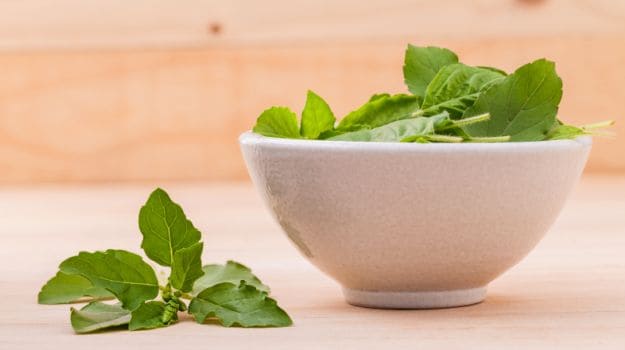
Tulsi, or holy basil, is a pretty amazing herb. Not only does it rekindle your immunity and battle evil germs, it helps heal a clutch of skin disorders. Apparently, it also kicks some serious diabetic arse, helping to balance blood sugar.

1/4 cup basil
1 tsp honey
2 tsp lemon juice

Method: Put the basil leaves into a saucepan with one and a quarter cup of water. Bring to a boil. Then bring down the flame to low for 15 minutes. Strain into a cup, then add the honey and lemon juice and stir.


5. Mint Tea

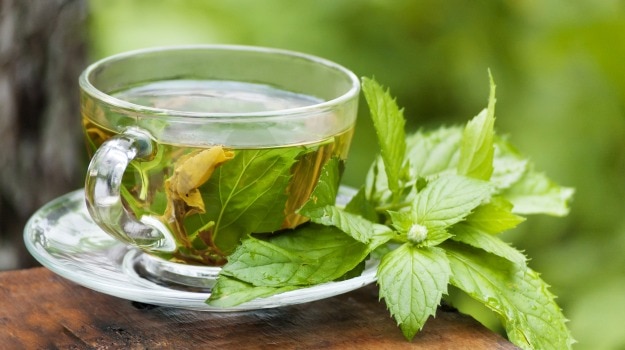
This mint and rosemary combination makes a very refreshing jorum and helps to improve memory. It's also good for an upset tummy.

10 mint leaves
1 sprig rosemary
A squeeze lemon, optional

Method: Tear the mint leaves into a cup, while setting a pan of water to boil. Plop the rosemary in the pan. Once boiled, pour the water on the mint and let it sit for ten minutes. Add a splash of lemon, if required. Enjoy!


About the Author:Meher Mirza is an independent writer and editor, with a focus on food and travel. Formerly with BBC Good Food India, she loves anime, animals and artsy things but also comics, technology and death metal.

Disclaimer:

The opinions expressed within this article are the personal opinions of the author. NDTV is not responsible for the accuracy, completeness, suitability, or validity of any information on this article. All information is provided on an as-is basis. The information, facts or opinions appearing in the article do not reflect the views of NDTV and NDTV does not assume any responsibility or liability for the same.

source by  http://webcache.googleusercontent.com/

Thursday, November 24, 2016

Eat Your Way To Glowing Skin With These Delicious Recipes

Eat Your Way To Glowing Skin With These Delicious Recipes

They don't involve carrot sticks, promise.


                                                    Healthy skin from the inside out.

As much as we wish otherwise, if your diet is unhealthy, your skin will reflect that.

While this doesn't take into account frustrating factors like genetic predisposition and hormone imbalances (*sigh*), eating a well-balanced, varied diet can certainly help boost the health of your skin.

Eating for glowing skin doesn't mean you have to eat carrot sticks all day and that you can never eat delicious, flavoursome food. On the contrary, actually.

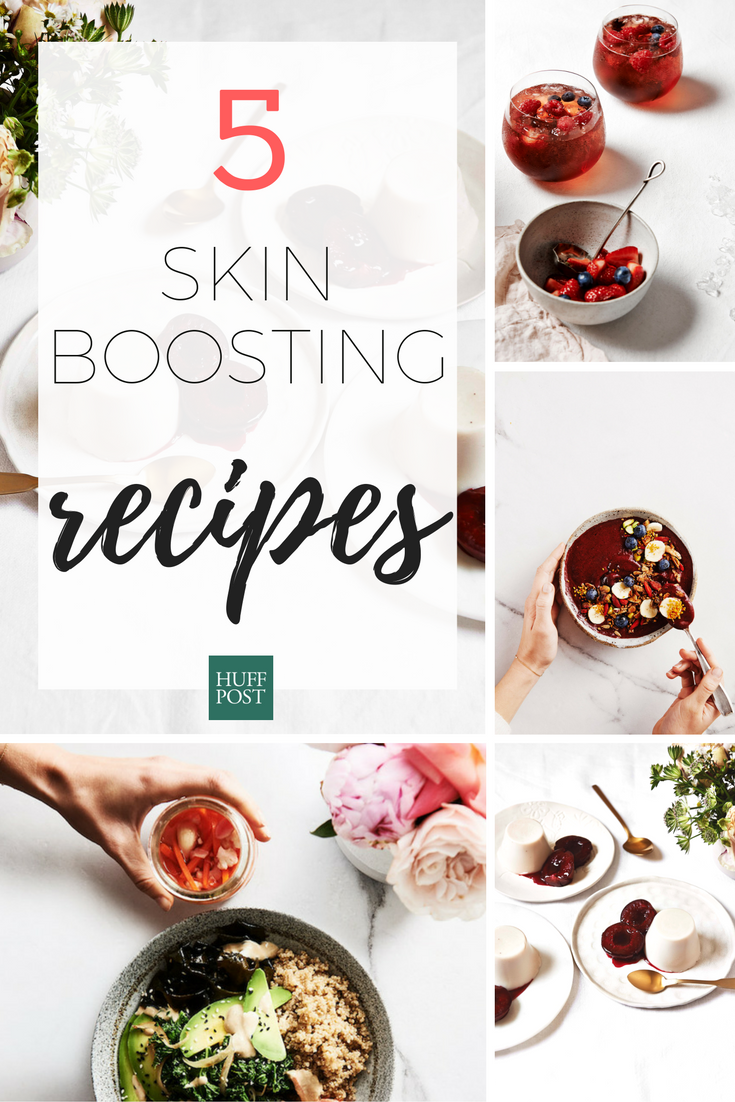
These recipes from The Beauty Chef cookbook are easy to make and are full of healthy skin-promoting properties such as fibre, vitamins, minerals and antioxidants.

They're also incredibly tasty and easy to prepare. Think cardamom pannacotta, berry smoothie bowl and mulled rosehip iced tea.


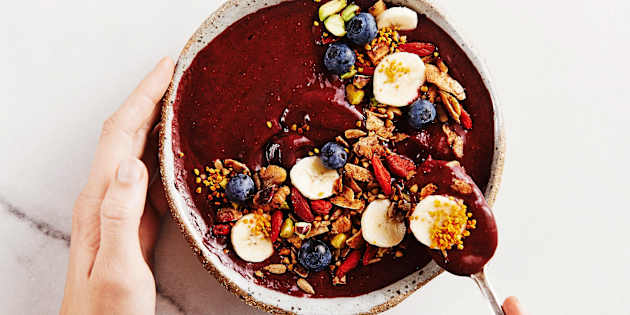
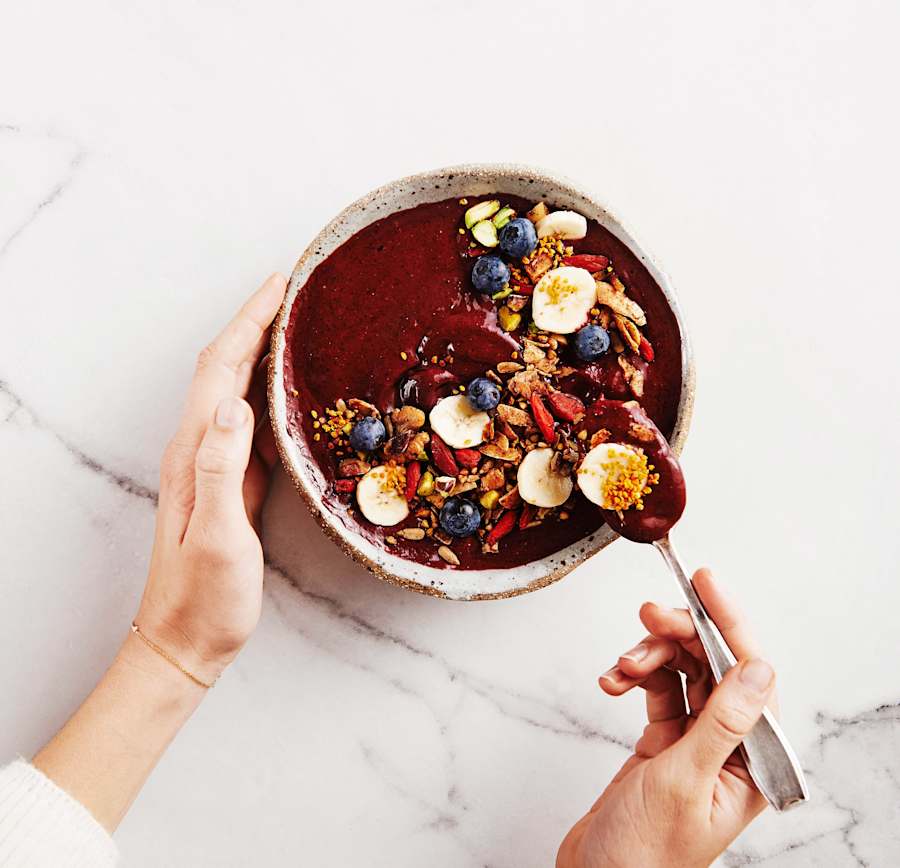
1. Get glowing smoothie bowl

This berry smoothie bowl is rich in fibre, vitamins, antioxidants, lipids and "skin protective and glow-giving minerals selenium, copper and zinc", Oates said.

Serves two.

INGREDIENTS

125g frozen blueberries
100g frozen unsweetened açai pulp, coarsely chopped
1 very ripe frozen banana, coarsely chopped
½ cup (125g) coconut kefir or natural yoghurt
2 teaspoons GLOW Inner Beauty Powder (optional)
¼ teaspoon ground cinnamon
2 teaspoons chia seeds
2 teaspoons cacao nibs
Topping:

1 small ripe banana, peeled and sliced
6-10 fresh blueberries
2 tablespoons granola
1 tablespoon finely chopped pistachios
1 tablespoon goji berries
1 teaspoon bee pollen (not suitable for those with bee allergies)
1 teaspoon hemp seeds (optional)

METHOD

1. To make the smoothie, blend the blueberries, açai, banana, kefir or yoghurt and GLOW powder, if using, cinnamon, chia seeds and cacao nibs in a high-speed blender, until smooth and creamy. Pour the smoothie into two wide, shallow serving bowls. Decorate with toppings. Eat immediately.

Note: The topping ingredients can be substituted according to personal taste or availability.

                                        This berry packed smoothie is perfect for summer.

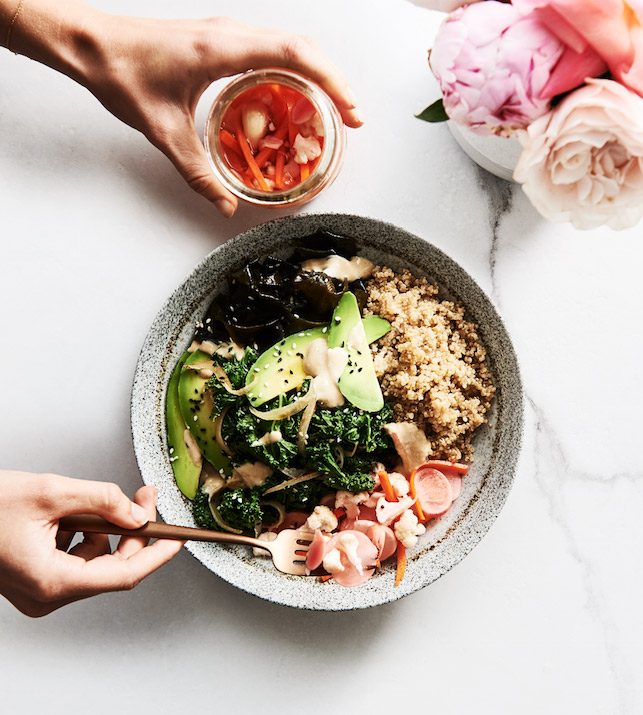
2. Kale bowl with quinoa, fermented vegetables, wakame and avocado

"Fresh and nutritious, this flavour packed dish features wakame, a great source of minerals that can be lacking in conventionally grown produce and that we need for healthy, glowing skin," Oates said.

Serves four.

INGREDIENTS

½ cup (100g) quinoa, rinsed
1 cup (250ml) water
7g wakame
1 tablespoon coconut oil
1 onion, thinly sliced
1 clove garlic, finely chopped
2 bunches (approx. 800g) kale, stemmed and coarsely chopped
2 teaspoons white sesame seeds, plus extra to serve
2 teaspoons black sesame seeds, plus extra to serve
½ teaspoon chilli flakes
1½ cups (230g) sweet and sour fermented vegetables
1 avocado, halved, stone removed and flesh sliced lengthways
½ cup (75g) raw cashews, roasted and coarsely chopped
Tahini sauce:

¼ cup (60ml) freshly squeezed lemon juice
¼ cup (60g) tahini
1 tablespoon extra virgin olive oil
2cm knob of ginger, peeled and finely grated
3 teaspoons tamari
2 teaspoons raw honey
1 teaspoon sesame oil

METHOD

1. Place the quinoa and water in a medium saucepan and bring to the boil. Cover and decrease the heat to low and gently simmer for 15 minutes, or until almost all of the water has been absorbed and holes appear on the surface. Keep covered and remove from the heat to finish cooking for a further five minutes, or until quinoa 'tails' have sprouted and all of the water has been absorbed. Keep warm.

2. Meanwhile, soak the wakame in cold water for five minutes, or until rehydrated. Drain and squeeze out excess water. Slice into strips. Set aside.

3. To prepare the sauce, place all of the ingredients in a jar and seal with a lid. Shake vigorously to combine.

4. Heat the coconut oil in a large frying pan or wok over low-medium heat. Cook the onion and garlic, until softened. Add the kale and cook, stirring occasionally, for 4-5 minutes, until wilted. Add the sesame seeds and chilli flakes and toss to combine.

5. To serve, arrange the kale, quinoa, wakame, fermented vegetables and avocado into serving bowls. Drizzle with the tahini sauce and scatter with roasted cashews and extra sesame seeds.

                                     Make doubles of this recipe to take to work for lunch.

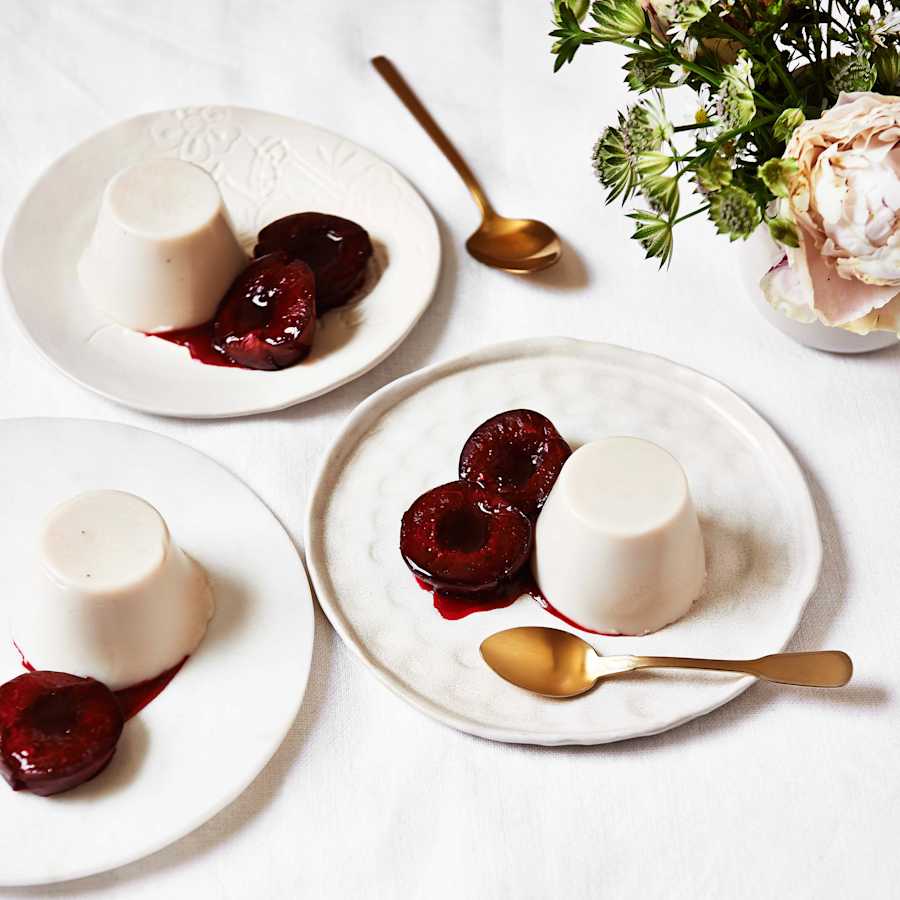
3. Cardamom and almond milk pannacotta with roasted blood plums

"Made with gelatin, which is rich in gut-healing amino acids, and warming and digestive-balancing cardamom and plums, this dessert is much loved in our house," Oates said.

Makes four.

INGREDIENTS

Coconut oil, for greasing
1 tablespoon green cardamom pods
2 cups (500ml) almond milk
1½ tablespoons raw honey
2 level teaspoons gelatin powder
Roasted blood plums:

4 small blood plums
⅓ cup (80ml) water
1 tablespoon raw honey

METHOD

1. Lightly grease four ½-cup capacity moulds with coconut oil. Place in the refrigerator until required.

2. Squash the cardamom pods with the back of a wooden spoon, then place in a small saucepan and toast over low heat for 30 seconds, or until fragrant.

3. Pour 1½ cups (375ml) of the almond milk into the saucepan. Gently heat for five minutes. Remove from the heat and stir in the honey. Set aside to infuse for 10 minutes.

4. Pour the remaining almond milk into a small bowl. Sprinkle the gelatin in a thin layer over the top and set aside for 10 minutes, to dissolve.

5. Strain the infused milk through a fine mesh sieve. Return to the saucepan and gently reheat, until warm. Remove from the heat, add the dissolved gelatin mixture and stir to combine. Set aside to cool.

6. Pour the cooled mixture into the prepared moulds. Refrigerate for four hours, or until set.

7. Preheat the oven to 180°C.

8. Meanwhile to prepare the roasted blood plums, cut the plums in half and remove the stones. Arrange the plums, cut-side up, in a small baking dish. Pour the water into the base of the dish and drizzle the plums with honey. Roast for 20 minutes, or until tender and juices have begun to release to form a syrup. Let cool.

9. To release the pannacottas from their moulds, use your fingertips to gently pull the pannacotta away from the sides of the mould, breaking the seal. Immediately invert onto serving plates. They will hold their shape but have a lovely wobble.

10. Serve the pannacottas with roasted plum halves and syrup.

Note: The pannacottas can be made in advance and stored in the refrigerator for up to three days.

                                                       Healthy dessert? We'll take it
.
4. Mulled rosehip iced berry cooler

"Packed with immune boosting vitamin C, hibiscus imparts a gorgeous red hue and subtle natural sourness to this summer quencher," Oates said.

"Paired with a warming blend of mulled spices and sweetened with a little honey, it's the perfect balance of flavours and an ideal alcohol-free drink."

Makes 1.5 litres.

INGREDIENTS

2 cinnamon sticks
3 star anise
6 whole cloves
7 whole black peppercorns
3 cups (750ml) water
3 rosehip and hibiscus tea bags
¼ cup (60ml) raw honey
Crushed ice, to serve
250g strawberries, hulled and quartered
125g blueberries
125g raspberries
3 cups (750ml) sparkling mineral water

METHOD

1. Dry roast the spices in a medium saucepan over low-medium heat for one minute, or until fragrant.

2. Pour in the water and bring to the boil. Decrease the heat and simmer for five minutes.

3. Remove from the heat. Add the tea bags and steep for five minutes.

4. Remove and discard the tea bags. Add the honey and stir to combine. Set aside to cool. Refrigerate to chill.

5. When ready to serve, quarter fill a large serving jug or individual serving glasses with crushed ice and top with the berries. Pour over the chilled spiced tea mixture and top up with mineral water.


Add sprigs of mint for extra freshness.

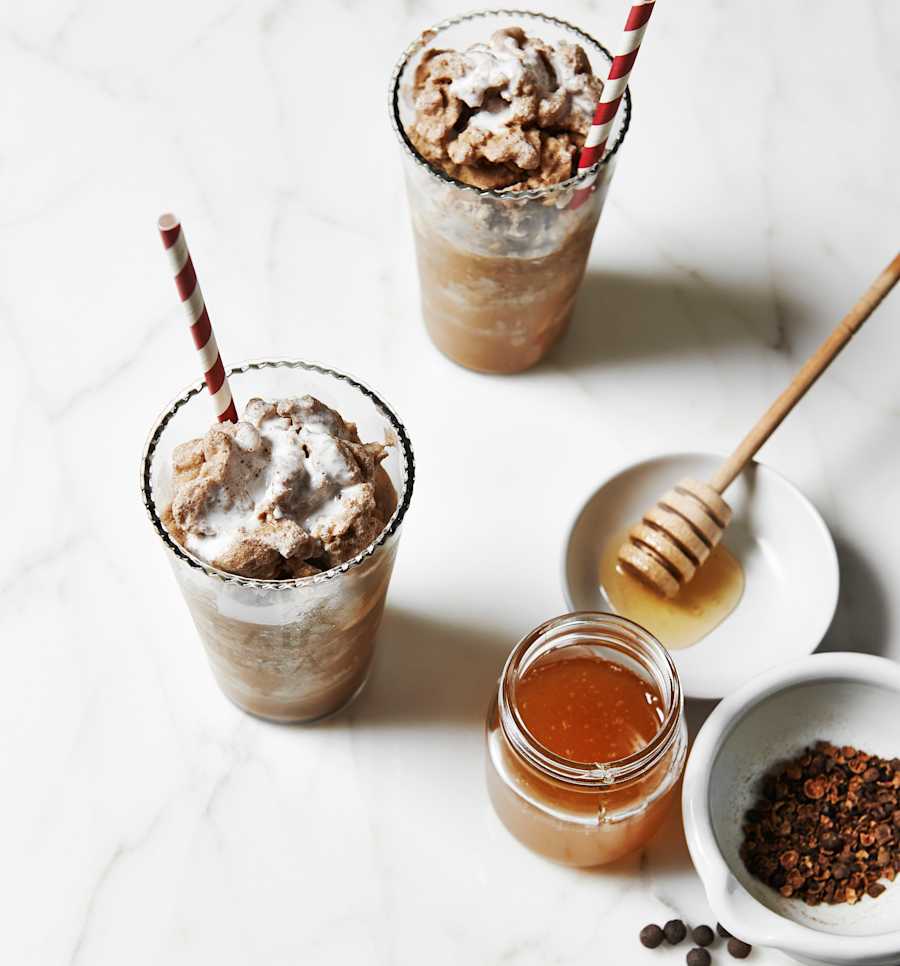
5. Roasted dandelion and chicory frappé

"The roasted dandelion and chicory root in this recipe produce a bitter coffee-like flavour, making it a perfect base for this iced coffee style frappé," Oates said.

Serves one.

INGREDIENTS

½ cup (125ml) water
1 tablespoon roasted dandelion and chicory root
12 ice cubes
½ cup (125ml) coconut milk, plus extra to serve
2 teaspoons raw honey, or to taste
½ teaspoon vanilla bean powder
½ teaspoon ground cinnamon, plus extra to serve (optional)
¼ teaspoon ground allspice, plus extra to serve (optional)

METHOD

1. Combine the water and roasted dandelion and chicory root in a small saucepan and bring to a simmer over low heat. Simmer for five minutes, or until reduced by half. Set aside to cool and infuse.

2. Strain infused liquid through a fine-mesh sieve.

3. Place the cooled liquid and remaining ingredients in a high speed blender. Blend for 20 seconds, or until ice is crushed. Taste and sweeten further, as desired.

4. Pour into a tall glass to serve. Top with additional coconut milk and sprinkle with spices, if desired.

Note: The dandelion and chicory base can be made in advance and stored in an airtight container in the refrigerator for up to five days.

                                         A delicious caffeine free iced coffee alternative

source by  http://www.huffingtonpost.com.au/

This Healthy Coconut Macaroons Recipe Is So Low-Cal You Can Eat Them All

This Healthy Coconut Macaroons Recipe Is So Low-Cal You Can Eat Them All

One for me, two for me, three for me...

From your morning snack to the afternoon munchies to dessert time, sometimes you just need a little something sweet—that's where these tasty little coconut macaroons come in. The recipe is courtesy of Devin Alexander, celebrity chef and weight-loss coach and nutrition guide behind NBC's The Biggest Loser.

"They're a bit less gooey and buttery than the traditional ones, but that's actually good because it allows true coconut lovers to enjoy the coconut," says Alexander. (Plus, you get all these coconut health benefits.) A typical macaroon this size would log about 120 calories and 4 to 6 grams of fat each. These babies are a steal at only 86 calories and 3 grams of fat—for two of them! Meaning, yes, you can totally go ahead and eat them all. We won't tell.

Mitch Mandel

Coconut Macaroons Recipe

Makes 5 servings.

Ingredients

Butter-flavored cooking spray
2 large egg whites
2 tablespoons coconut sugar
2 tablespoons light agave nectar
2/3 cup finely shredded, reduced-fat, unsweetened coconut

Directions

1. Preheat oven to 300°F. Line a medium baking sheet with parchment paper and lightly mist it with spray.
2. Whisk together the egg whites, coconut sugar, and agave until the sugar is completely dissolved. Stir in the coconut until well combined.
3. Spoon the batter in mounds (about 1 level tablespoon per macaroon) onto the prepared pan, so they don't touch, to make 10 macaroons.
4. Bake for 23 to 25 minutes, or until macaroons are lightly golden brown.
5. Remove the pan and place on a wire cooling rack. Let cool about 5 minutes, then transfer macaroons to the cooling rack and allow to cool completely. Serve immediately or store them in a resealable plastic container for up to 5 days.

Nutrition per 2 cookies: 86 calories, 2g protein, 13g carbohydrates (10g sugar), 3g fat, 3g saturated fat, 0mg cholesterol, 1g fiber, 33mg sodium

source by  http://www.shape.com/healthy-eating/